



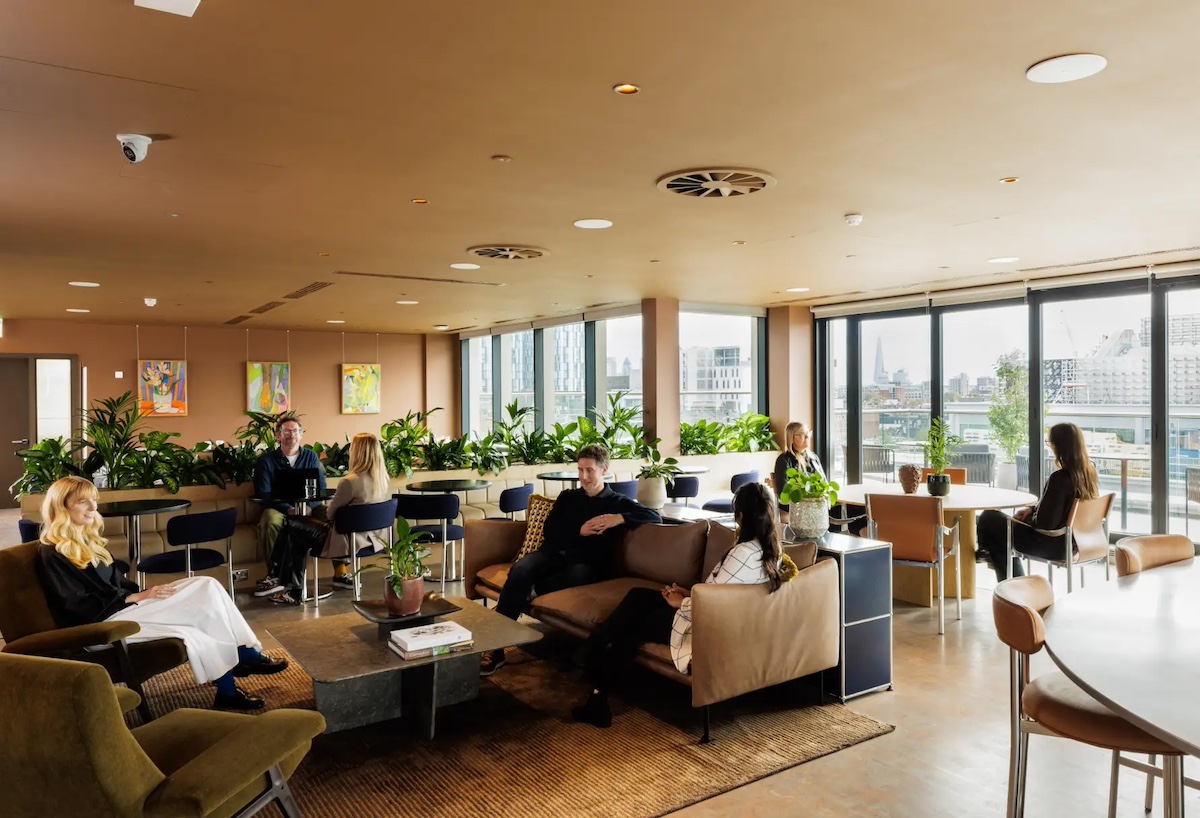
Landsec has reported strong early leasing activity at MYO King’s Cross, with the flexible workspace now around 60% let or under offer less than six months after opening.
The company expects the building to reach approximately 90% occupancy by the summer, ahead of its initial projections, as demand for high-quality flexible workspace continues to grow across central London.
Leasing momentum has been driven largely by international AI and technology companies expanding their presence or establishing European headquarters. More than ten technology businesses have already taken space, including Perplexity AI and PlanHat.
The strong performance at MYO King’s Cross reflects wider demand across Landsec’s London office portfolio, which is now effectively fully let. The company also reports active occupier engagement at two developments due to complete later this year: Timber Square in SE1 and Thirty High in SW1.
“The strong uptake at MYO King’s Cross underlines the continued demand from AI and technology-led businesses for premium workspace that blends flexibility with excellent amenities and connectivity. With our portfolio of best-in-class workspaces across London, supported by our deep understanding of tech occupiers and a strong track record of long-term partnerships, we look forward to collaborating closely with these businesses as they continue to grow”.
Oliver Knight, Head of Workplace, Landsec
MYO King’s Cross provides over 80,000 sq ft of flexible workspace, including private offices ranging from 12 to 200 desks alongside shared amenities such as wellness rooms and a members’ gym.
The location forms part of Landsec’s broader flexible workspace portfolio, which includes sites across Bankside, Piccadilly, the City and Victoria. With strong transport links and proximity to London’s technology cluster, King’s Cross continues to attract fast-growing AI and software businesses seeking scalable workspace as they expand their operations.
For the office sector, the leasing activity highlights how technology and AI companies remain a key driver of demand for premium, flexible workspace in major urban innovation districts.